A decision at the toss often sits somewhere between logic and instinct—and for Ajinkya Rahane, it turned into a gamble that didn’t quite pay off.
At Ahmedabad, recent trends have clearly leaned towards batting first. In fact, eight of the last ten IPL matches at this venue were won by teams setting a target. But there’s a catch that numbers alone don’t reveal.
👉 Batting first only works here if you go BIG.
Anything below 190 has usually been unsafe, and even totals around 210 haven’t always guaranteed safety.
Numbers Favored the Decision—But Reality Didn’t
On paper, Rahane’s choice made sense.
Gujarat Titans had struggled with the new ball this season:
- Just 3 wickets in 4 matches
- Average of 81.33 in Powerplay
Even experienced bowlers like:
- Mohammed Siraj (1 wicket in last 8 Powerplays)
- Kagiso Rabada (modest record at venue)
…didn’t look threatening on paper.
So yes—the decision to bat first seemed justified.
Pitch Had Other Plans
But cricket isn’t played on spreadsheets.
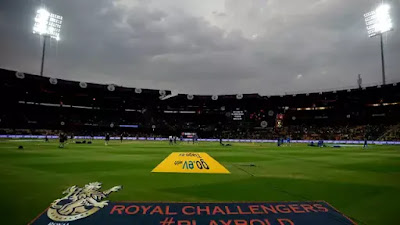
Pitch #6, made of a red-and-black soil mix, offered unexpected seam movement, bringing traditional fast bowling back into play.
Siraj adjusted brilliantly:
- Bowled fuller
- Found swing early
- Forced Rahane into a mistimed shot
This was a moment where Rahane’s longer-format patience might have helped—but the aggressive intent cost him.
Rabada Follows Through with Precision
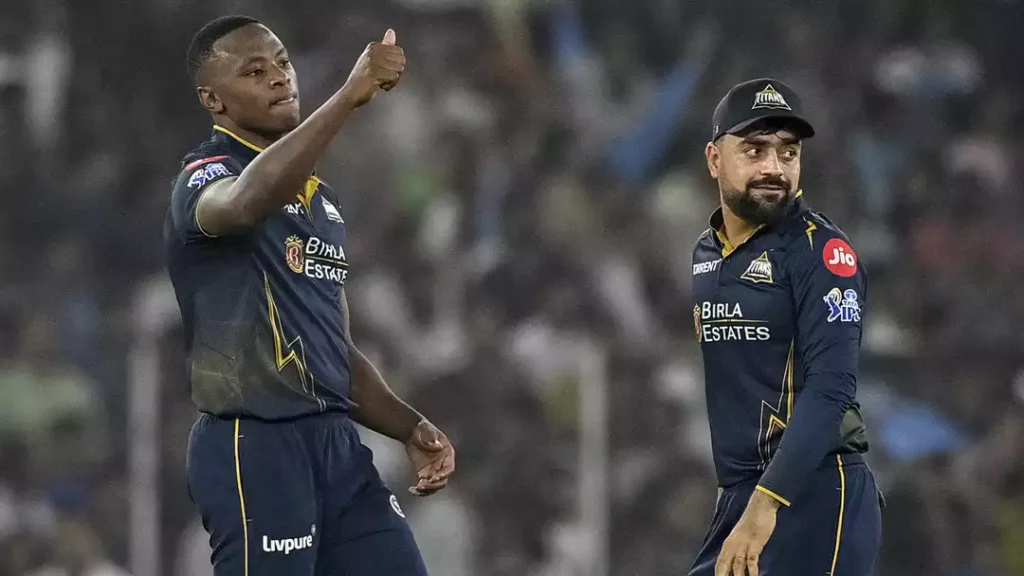
Rabada complemented Siraj perfectly.
- Angkrish Raghuvanshi edged a ball that straightened late
- Tim Seifert fell to a delivery that subtly deviated
Different dismissals—but one common factor: discipline and control
For the first time this season:
👉 A new-ball pair bowled unchanged through the Powerplay
And the result?
- False shot rate: 48.6% (highest this season)
- Consistent line outside off stump
- Classic red-ball approach in a T20 setup
At 37/3, the match had already tilted heavily.
KKR’s Fightback Fell Short
Cameron Green played a crucial innings to push the total to 180.
It gave Kolkata Knight Riders some hope—but not enough to justify the “bat-first” strategy.
To defend that score, they needed early wickets.
They didn’t get them.
Bowling Strategy Didn’t Click
KKR tried spin early:
- 3 overs in Powerplay
- Conceded 39 runs
Instead of controlling the game, it released pressure.
Their pacers then made things worse:
- Bowled too full
- Attacked straight lines
- Allowed easy hitting opportunities
In contrast to GT’s disciplined bowling, KKR’s attack lacked consistency.
By the time Gujarat reached 71/1, the result felt inevitable.
Bigger Picture for Gujarat Titans
This win isn’t just about one match—it signals something bigger.
- Prasidh Krishna continues his strong form
- Rashid Khan is regaining rhythm
And now, if Siraj and Rabada maintain this new-ball impact…
👉 Gujarat Titans suddenly look like a complete bowling unit
A team capable of controlling matches right from the first over.
Final Insight
This game proved one thing clearly:
👉 Data can guide decisions—but conditions decide matches.
Rahane trusted the numbers.
The pitch rewrote the script.