Bangladesh’s removal from the 2026 ICC Men’s T20 World Cup was not triggered by a single dispute or a last-minute collapse in negotiations. Instead, it followed weeks of back-and-forth after the Bangladesh Cricket Board (BCB) adopted a firm position against playing its matches in India.
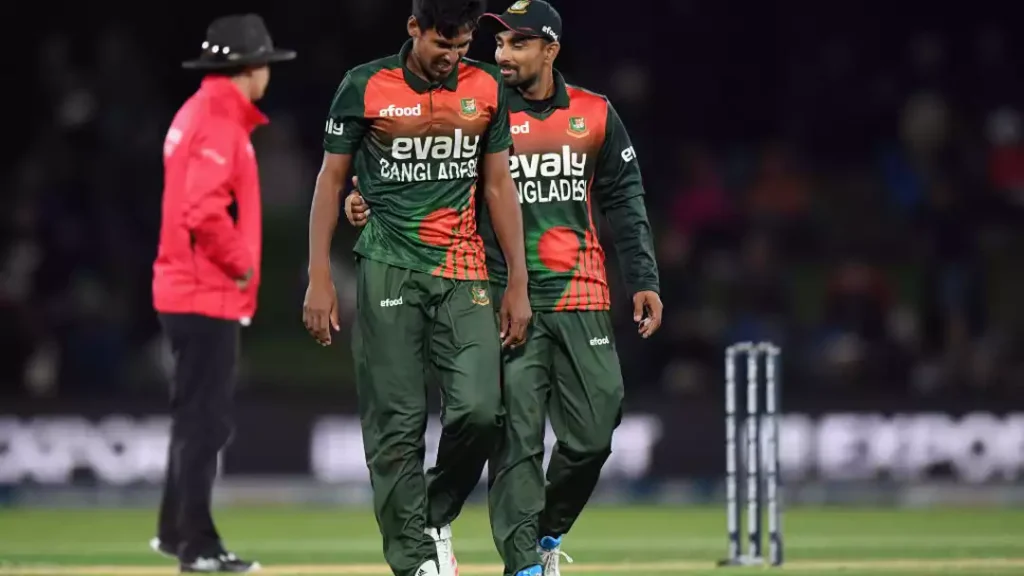
The standoff can be traced back to the diplomatic tensions between India and Bangladesh, which first spilled into cricket when Mustafizur Rahman was released from Kolkata Knight Riders’ IPL squad at the BCCI’s insistence. That episode marked the beginning of the BCB’s decision to take a hard line.
Relocation Demand Turns Into Governance Test
What initially began as a request from the BCB to move its World Cup matches to Sri Lanka soon evolved into a broader test of governance, precedent, and flexibility for the ICC. After prolonged deliberations, the world body ultimately decided to replace Bangladesh with Scotland for the global tournament.
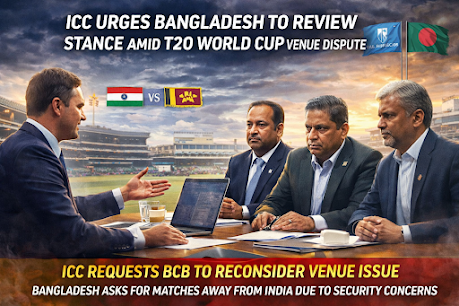
The ICC allowed Bangladesh time to reassess its stance, with chief executive Sanjog Gupta engaging in repeated discussions with BCB officials. Tensions surfaced during one video conference call when BCB chairman Aminul Islam expressed strong objections and rejected the ICC’s reasoning.
While the ICC was keen to ensure Bangladesh did not feel isolated within the global cricketing framework, it was equally cautious about avoiding a precedent that would allow teams to demand venue changes. Central to its position were independent security assessments, which found no credible or verifiable threat to the Bangladesh team, officials, or fans in India. Preserving the integrity of the tournament schedule became a key priority.
That stance was formally reinforced at the ICC board meeting on January 21, where all members except the PCB and BCB voted against Bangladesh’s request. The BCB was given 24 hours to reconsider its position. Instead of complying, it raised fresh objections and questioned the ICC’s findings, which had rated the threat level as moderate to low.
The BCB reportedly argued that the threat perception was moderate to high—a view that ICC officials privately considered inconsistent, especially given Bangladesh’s recent tour of Pakistan for the Champions Trophy under even higher security concerns.
Despite signs during the Bangladesh Premier League final on January 23 that the board might soften its stance, the BCB remained unmoved. Players, who were not consulted in the decision-making process, were understood to be keen on participating in the World Cup, viewing it as a vital milestone in their careers. However, the board continued to flag hypothetical risks rather than accept the security assurances already provided.
Although the BCB submitted a letter after the 24-hour deadline had passed, the ICC had little room left to act. On January 24, the ICC chief executive informed board members that, in line with the earlier decision, Bangladesh would be replaced in the tournament.
In its official statement, the ICC described the move as a “difficult decision,” stating that it was not feasible to accommodate Bangladesh’s demands so close to the event.
The ICC said it had conducted an extensive and transparent engagement process over more than three weeks, including multiple rounds of discussions both virtually and in person. It also confirmed that detailed security and operational plans—covering national and state-level arrangements along with enhanced protocols—had been shared repeatedly with the BCB.
After reviewing all inputs and weighing the broader implications, the ICC concluded that altering the published schedule was neither appropriate nor viable, effectively closing the chapter on Bangladesh’s participation in the 2026 T20 World Cup.