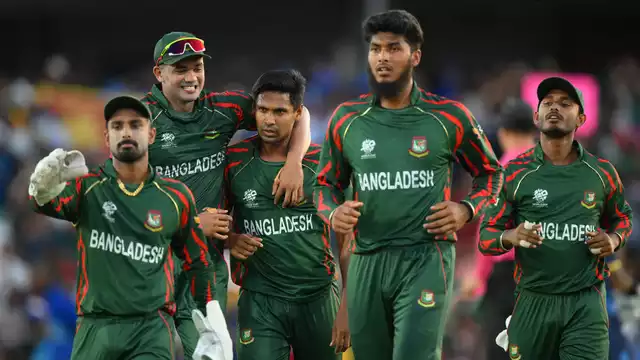
Bangladesh cricket finds itself at a critical crossroads as the country prepares to miss the ICC Men’s T20 World Cup 2026, a development that has sparked intense debate within cricketing circles. Former Bangladesh Cricket Board (BCB) general secretary and ex-Asian Cricket Council (ACC) chief executive Syed Ashraful Haque has delivered a stark assessment of the situation, warning that Bangladesh’s firm stance may have delivered a short-term political victory but inflicted long-term damage on the nation’s cricketing future.
Bangladesh are set to be excluded from the tournament in India and Sri Lanka after refusing to travel to India citing security concerns. The ICC, unconvinced by Bangladesh’s position, is widely expected to move ahead without them—possibly replacing the team in the competition.
A Crisis That Could Have Been Handled Differently
Haque believes the crisis was mishandled from the very beginning. According to him, the BCB should have adopted a more flexible, consultative approach rather than taking an uncompromising stand at the negotiating table.
“In situations like this, the board’s responsibility is to present the security assurances provided by the ICC and allow players to make their own choice,” Haque said. “If players felt unsafe, they could have opted out individually. But that decision should never have been taken away from them.”
Instead, he argues, the players were summoned only to be informed that the decision had already been made—effectively ending their World Cup dream without their consent.
Players Left Powerless
For professional cricketers, playing in a World Cup represents the pinnacle of their careers. Haque stressed that denying players this opportunity is not just a sporting loss but an emotional one as well.
“These players have worked their entire lives to reach this stage. To be told they won’t play a World Cup because of decisions made elsewhere is devastating,” he said.
He added that in most cricketing nations, even when governments raise security concerns, boards still leave the final call to the players. Bangladesh’s deviation from this norm, Haque warned, could create a perception problem internationally.
Possible ICC Fallout and Financial Risks
Beyond the sporting impact, Haque pointed to the possibility of ICC sanctions. He noted that Bangladesh, like all participating teams, had signed agreements acknowledging that security assessments fall under the ICC’s jurisdiction.
“Walking away after signing such agreements sets a dangerous precedent,” he said.
There are also significant commercial implications. Bangladesh is one of the world’s largest cricket-viewing markets, and its absence from a global event could affect broadcast revenues.
“When broadcast rights are sold, Bangladesh’s viewership is factored into the valuation,” Haque explained. “If that audience is suddenly missing, questions will inevitably be asked.”
A Hard Line Taken Too Early
Haque was particularly critical of Bangladesh’s early adoption of an all-or-nothing stance—demanding that matches be relocated to Sri Lanka or refusing to participate altogether.
“Diplomacy requires dialogue. Once you lock yourself into a rigid position, you leave no room for compromise,” he said. “That’s where we lost leverage.”
He suggested that Bangladesh may have inadvertently played into broader political narratives, allowing a sporting issue to escalate beyond cricket.
Failure to Push Back
The former BCB official also questioned why the board failed to engage more assertively with the government, especially given the temporary nature of the current administration.
“The board should have made it clear what the consequences would be for Bangladesh cricket,” he said. “Remaining silent at such a critical moment is not leadership.”
Can Bangladesh Recover?
Looking ahead, Haque admitted the road back would be difficult. Repairing relationships with other cricketing nations, he said, would require a concerted public relations effort and a renewed focus on cricketing diplomacy.
He dismissed arbitration as a realistic solution, arguing that past cases suggest the ICC’s security evaluations are rarely overturned.
“Our chances there are minimal,” he said bluntly.
Hope for a Reset
Despite the grim outlook, Haque expressed cautious optimism that future political changes could help reset relations and bring Bangladesh back into the international fold.
“If that doesn’t happen,” he warned, “the damage could be irreversible. We may have won a political battle, but we have undoubtedly lost the war in cricket.”